Blog ·
Best Carp Fishing Rigs for Beginners: 7 Easy Setups That Catch Fish
New to carp fishing? Learn the 7 best beginner carp rigs — hair rig, simple bottom rig, method feeder, zig rig, PVA bag, chod rig, and multi rig. Step-by-step instructions with hook and line recommendations.
Best Carp Fishing Rigs for Beginners: 7 Easy Setups That Catch Fish
Walking into a tackle shop and seeing walls of rig components is overwhelming. Leaders, hooklinks, swivels, beads, shrink tube — where do you even start? The truth is, you don't need complicated rigs to catch carp. Simple, well-presented rigs catch more fish than over-engineered ones every time.
Here are seven beginner-friendly carp rigs that will put fish on the bank from day one.
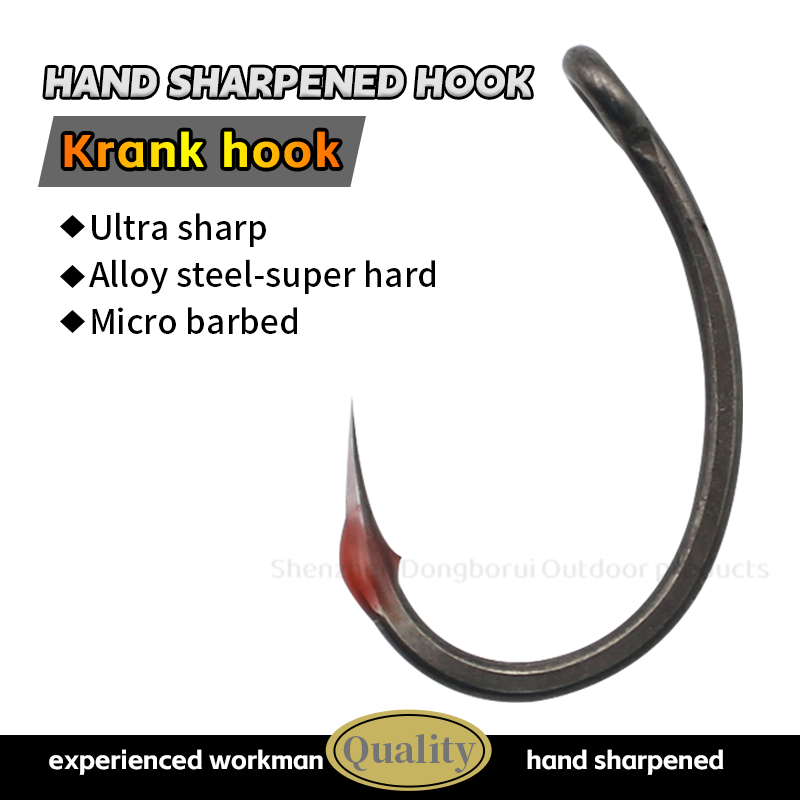
1. The Hair Rig — The Foundation of Carp Fishing
Every carp angler must know the hair rig. Invented in the 1980s, it revolutionised carp fishing and remains the most effective presentation today.
How it works: The bait sits on a short "hair" of line below the hook, rather than directly on the hook point. When the carp sucks in the bait, the hook follows and catches in the bottom lip.
What you need:
- Size 6-8 Wide Gape or Krank hook
- 8 inches of coated braid hooklink
- A bait needle and boilie stop
- A swivel for the loop-to-loop connection
Best for: Bottom fishing with boilies, sweetcorn, tiger nuts, or pellets. This rig covers 80% of carp fishing situations.
2. Simple Bottom Rig (Running Lead)
The simplest rig in carp fishing. A running lead on the mainline, a bead, a swivel, and your hooklink. When a carp picks up the bait, it feels minimal resistance because the line runs freely through the lead.
What you need:
- 2-3oz inline or flat pear lead
- A run ring or running lead clip
- A rubber bead (buffer)
- A size 8 swivel
- 6-8 inch hooklink with a hair-rigged bait
Best for: Clear, hard lake beds. Ideal for day sessions on commercial fisheries where carp feed confidently.
3. Method Feeder Rig
Possibly the most effective rig for beginners on commercial waters. You mould groundbait around a flat-bed feeder with your hookbait buried inside. As the groundbait breaks down, carp feed on the loose offerings and find your hookbait.
What you need:
- A flat-bed method feeder (small or medium)
- A short hooklink (4-6 inches) of monofilament or braid
- A size 8-10 hook
- Method mix groundbait
- A pellet, piece of corn, or artificial corn as hookbait
Best for: Commercial waters, stocked lakes, and day sessions. Deadly in summer when carp are feeding aggressively.
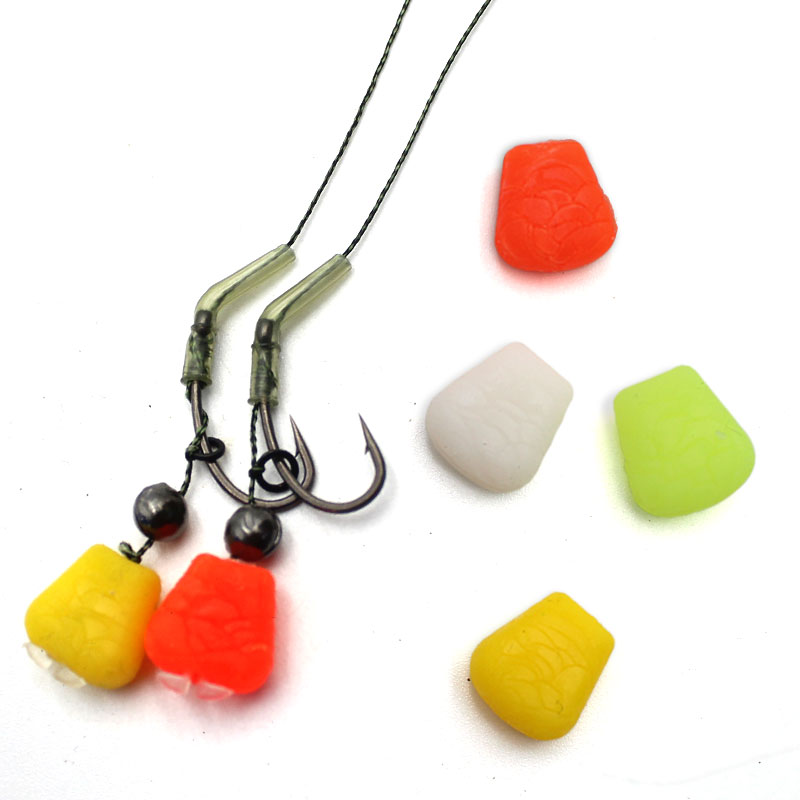
4. Zig Rig — Fishing Off the Bottom
Carp don't always feed on the lake bed. In warm weather, they cruise at mid-water or just below the surface. The zig rig suspends your bait at any depth you choose.
What you need:
- A size 10 hook (lighter patterns work best)
- A long hooklink of clear monofilament (adjustable from 2ft to full depth)
- Artificial foam or pop-up bait — black or yellow foam works brilliantly
- A heavy lead (3oz+) to anchor the rig
Best for: Summer fishing, warm days, clear water, and when carp are visibly cruising but ignoring bottom baits.
5. PVA Bag Rig
A PVA mesh bag filled with pellets, crushed boilies, or particles, attached to your hooklink. The PVA dissolves in water, leaving a neat pile of free offerings around your hookbait. It's essentially a self-contained baiting system.
What you need:
- PVA mesh bags or solid PVA bags
- Dry pellets or crushed boilies (must be PVA-friendly — no oils)
- A short hooklink (3-4 inches) with a size 6-8 hook
- A small inline lead (1.5-2oz)
Best for: Accurate baiting at range, snaggy swims where loose feeding is difficult, and winter fishing when you want minimal bait with maximum attraction.
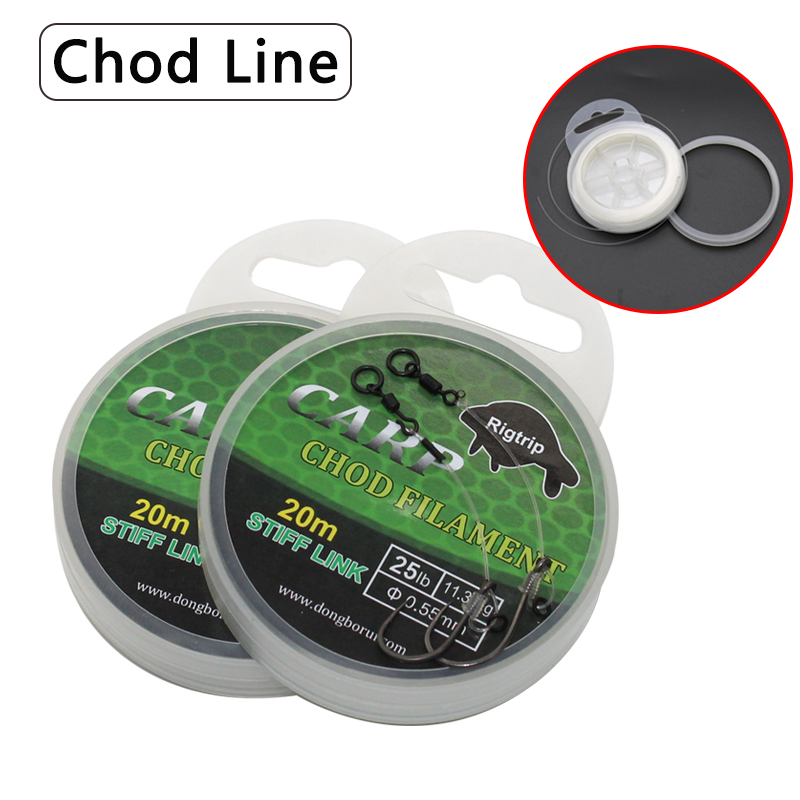
6. Chod Rig — The Weed Beater
If your lake has weed, silt, or debris on the bottom, standard rigs sink into the muck and become invisible. The chod rig solves this by using a short, stiff hooklink that sits on top of everything.
What you need:
- A size 6 Chod hook (specific curved pattern)
- 2-3 inches of stiff fluorocarbon or mono hooklink
- A buoyant pop-up bait (12-15mm)
- A helicopter lead setup with buffer beads
Best for: Weedy lakes, silty bottoms, unknown lake beds. The go-to rig when you can't find a clean spot.
7. Multi Rig (Ronnie/Spinner Rig)
The multi rig uses a hook mounted on a micro swivel, allowing it to spin and reset itself. This means incredible hooking efficiency — the hook almost always finds the bottom lip regardless of which direction the carp approaches from.
What you need:
- A size 4-6 Curve Shank hook
- A micro rig swivel
- 6-8 inches of stiff coated hooklink material
- A pop-up or bottom bait
Best for: Pressured waters where carp have seen it all. Excellent all-round rig once you're comfortable with the basics.
Essential Tips for Tying Better Rigs
- Always use sharp hooks. A dull hook loses fish. Check the point against your thumbnail — if it doesn't stick, replace it. Browse our PTFE-coated carp hooks for long-lasting sharpness.
- Test in the margins. Drop your finished rig in shallow water and watch how it sits. Does the hook turn and catch? Does the bait present correctly?
- Match your hooklink to the lake bed. Fluorocarbon over gravel, coated braid over silt, stiff mono over weed.
- Keep it simple. The best rig is the one you tie correctly, not the most complicated one on YouTube.
- Carry spares. Tie 6-8 rigs at home before your session. Retying at the lake in the dark is frustrating and produces sloppy rigs.
What Tackle Do You Need?
Starting out? Here's the minimum kit for rigging up:
- Carp rods: 12ft, 2.75-3lb test curve
- Reels: 8000-10000 size baitrunner
- Mainline: 15lb monofilament or fluorocarbon
- Hooks: Size 6 and 8 in Wide Gape and Krank patterns
- Bite alarms: To detect takes while you wait
- Rod pod: To hold your rods securely on any bank
- Tackle bag: To organise all your rig components
Don't overcomplicate your first sessions. Master the hair rig, learn to read the water, and the fish will come.
Frequently Asked Questions
What is the easiest carp rig for a beginner?
The hair rig is the easiest and most effective carp rig for beginners. It uses a simple setup where the bait sits on a short "hair" below the hook, allowing the carp to suck in the bait and hook together. You only need a size 6-8 wide gape hook, 8 inches of coated braid hooklink, and a boilie or piece of corn on the hair.
What hook size should beginners use for carp fishing?
Beginners should start with size 6 or size 8 hooks. Size 6 is ideal for larger baits like 15-18mm boilies and tiger nuts, while size 8 works well with smaller baits like sweetcorn, 10-12mm boilies, and artificial corn. Wide Gape and Krank patterns are the most versatile for beginners.
How long should a carp rig hooklink be?
For most beginner rigs, a hooklink length of 6-8 inches (15-20cm) is ideal. Shorter hooklinks (4-6 inches) work better over clean hard bottoms, while longer hooklinks (8-10 inches) suit softer lake beds and wary fish. Start with 8 inches and adjust based on results.
Do I need expensive tackle to tie carp rigs?
No. Effective carp rigs can be tied with affordable components — a pack of quality hooks, a spool of coated braid or monofilament hooklink material, some swivels, and lead clips. Focus on sharp hooks and correct presentation rather than expensive brands.
What is the best rig for fishing over weed?
The chod rig is the best choice for weedy venues. It uses a short, stiff hooklink that sits on top of weed and debris rather than sinking into it. The helicopter setup allows the rig to settle at the right depth regardless of what is on the lake bed. Pair it with a buoyant pop-up bait.